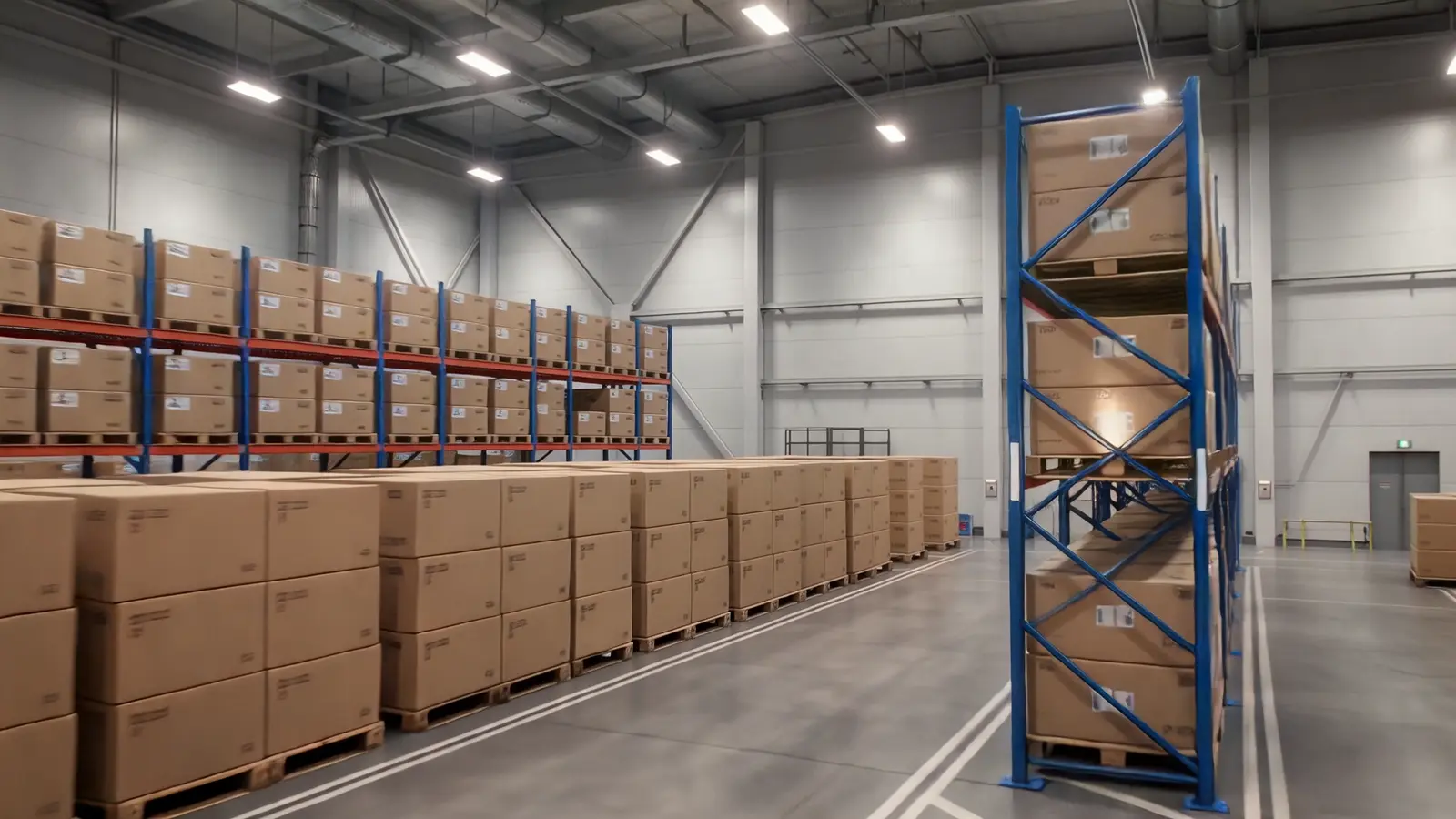
Shipping from China is the part of importing that many buyers think about last, yet it affects the total cost, the timing and sometimes even the choice of supplier. The main options are air, rail, road and sea freight, and each has different strengths. There is also consolidation, which matters a lot when you buy from several suppliers. This guide explains each method in general terms, how to choose between them, and how to work with a China freight forwarder.
What affects the choice of shipping method
Before comparing methods, it helps to know what drives the decision:
- Volume and weight. Light, compact goods and heavy, bulky goods are priced very differently. Freight is often charged on actual weight or volumetric weight, whichever is higher.
- Urgency. How soon you need the goods, and what a delay would cost you.
- Destination. Some destinations are well served by rail or road; others are practical mainly by sea or air.
- Product type. Batteries, liquids, magnets, chemicals, food and other special goods can have restrictions on certain modes.
- Budget. Faster modes usually cost more per unit of weight or volume.
The main shipping methods
Air freight
Air freight is usually the fastest option and is often used for samples, urgent orders, high-value goods and small, light shipments. It is typically the most expensive per kilogram. Express courier services are a form of air shipping suited to samples and small parcels, while larger shipments go as air cargo.
Points to consider: weight and volume limits, restrictions on dangerous goods such as many batteries, and the need for accurate dimensions and weights of each carton.
Rail freight
Rail freight connects China with Central Asia, Europe and other regions over land. For many routes it sits between air and sea in both speed and cost. It can be used for full containers and, on some routes, for consolidated smaller loads.
Points to consider: availability on your specific route, schedules, border handling and the same product restrictions that apply to other modes.
Road freight
Road freight by truck is used for destinations that are reachable overland, including some neighbouring countries and Central Asian routes. It can offer flexibility for both full and part loads, and door-to-door delivery can be simpler.
Points to consider: border crossings, transit country requirements and the conditions on the route at the time of shipping.
Sea freight
Sea freight is commonly the most economical option for large and heavy shipments, and it is the standard choice for full container loads. It is usually the slowest method, and the total time also includes port handling and inland transport at both ends.
There are two main forms:
- FCL (full container load): you use a whole container for your goods.
- LCL (less than container load): your goods share a container with other shippers’ cargo.
Comparison at a glance
| Method | Typical use | Speed (relative) | Cost (relative) |
|---|---|---|---|
| Air / express | Samples, urgent, light or high-value goods | Fastest | Highest |
| Rail | Medium to large loads on rail-served routes | Medium | Medium |
| Road | Overland destinations, flexible loads | Medium, route-dependent | Medium, route-dependent |
| Sea (FCL / LCL) | Large, heavy or bulky goods | Slowest | Lowest per unit for large volumes |
These are general patterns, not fixed rules. Actual cost and timing depend on the route, season, carrier and the current situation, so always get a quote for your specific shipment.
Consolidation: combining goods from several suppliers
If you buy from more than one supplier, which is common when sourcing from markets such as Yiwu, consolidation is often the most practical approach. Instead of each supplier shipping separately, all goods are delivered to one warehouse in China, checked, and then shipped together.
Benefits of consolidation:
- One shipment and one set of export documents instead of many.
- A single point for checking goods before they leave China.
- Better use of space, especially when you can fill a container together.
Packing for international transport
Whatever the method, goods travel better when they are packed for export. Ask suppliers for strong master cartons, clear carton marks and consistent carton sizes where possible. Accurate dimensions and weights for each carton also matter, because freight quotes and documents are based on them. Fragile items may need extra protection or pallets.
Making consolidation work
For consolidation to work, each supplier needs clear delivery instructions, carton marks and a packing list, and someone needs to receive, count and check the goods. Our Yiwu market guide explains how this fits into buying at the market.
Working with a China freight forwarder
A China freight forwarder organises the transport of your goods: booking space with carriers, arranging pickup, preparing transport documents and, often, coordinating export clearance. Some forwarders also offer import clearance and delivery at the destination through partners.
When requesting a quote, provide:
- product description and, if known, the HS code;
- number of cartons, dimensions and gross weight of each carton;
- pickup location in China and the delivery address;
- preferred method and the date the goods will be ready;
- the agreed Incoterm with your supplier.
Ask what the quote includes and excludes: local charges in China, destination charges, import duties and taxes, insurance and delivery. The Incoterm you agree with your supplier decides who arranges and pays for each part of the journey; our article on Incoterms explained covers EXW, FOB, CIF and DDP.
Documents and customs
Every international shipment needs documents that match the goods: usually a commercial invoice, a packing list and the transport document, plus certificates or permits for certain products. The classification of the goods determines which rules apply at import. Our article on import customs from China explains the main documents.
Customs requirements differ by country. For details, contact our team in China.
How TOPDANBAZ helps
TOPDANBAZ is a sourcing and procurement partner, not a cargo company. Our team in Yiwu helps with logistics coordination: collecting goods from suppliers, checking and consolidating them, preparing packing information and working with freight forwarders on the method that fits your order. For document questions we offer customs support on the China side. You can see the full process on our how it works page.
FAQ
What is the cheapest way of shipping from China?
For large, heavy shipments, sea freight is usually the most economical per unit. For small shipments the answer depends on weight, volume, route and minimum charges, so compare quotes.
What is the fastest way?
Air freight and express services are usually the fastest. Rail and road can be options between air and sea on suitable routes.
Do I need a freight forwarder?
For most commercial shipments, yes. A forwarder books transport, handles documents and coordinates with carriers and, often, customs brokers.
Can goods from different suppliers ship together?
Yes. Consolidation in a warehouse in China lets goods from several suppliers be checked and shipped as one shipment.
If you are planning an order and want help choosing how to ship it, send us a product request and our team will come back to you.