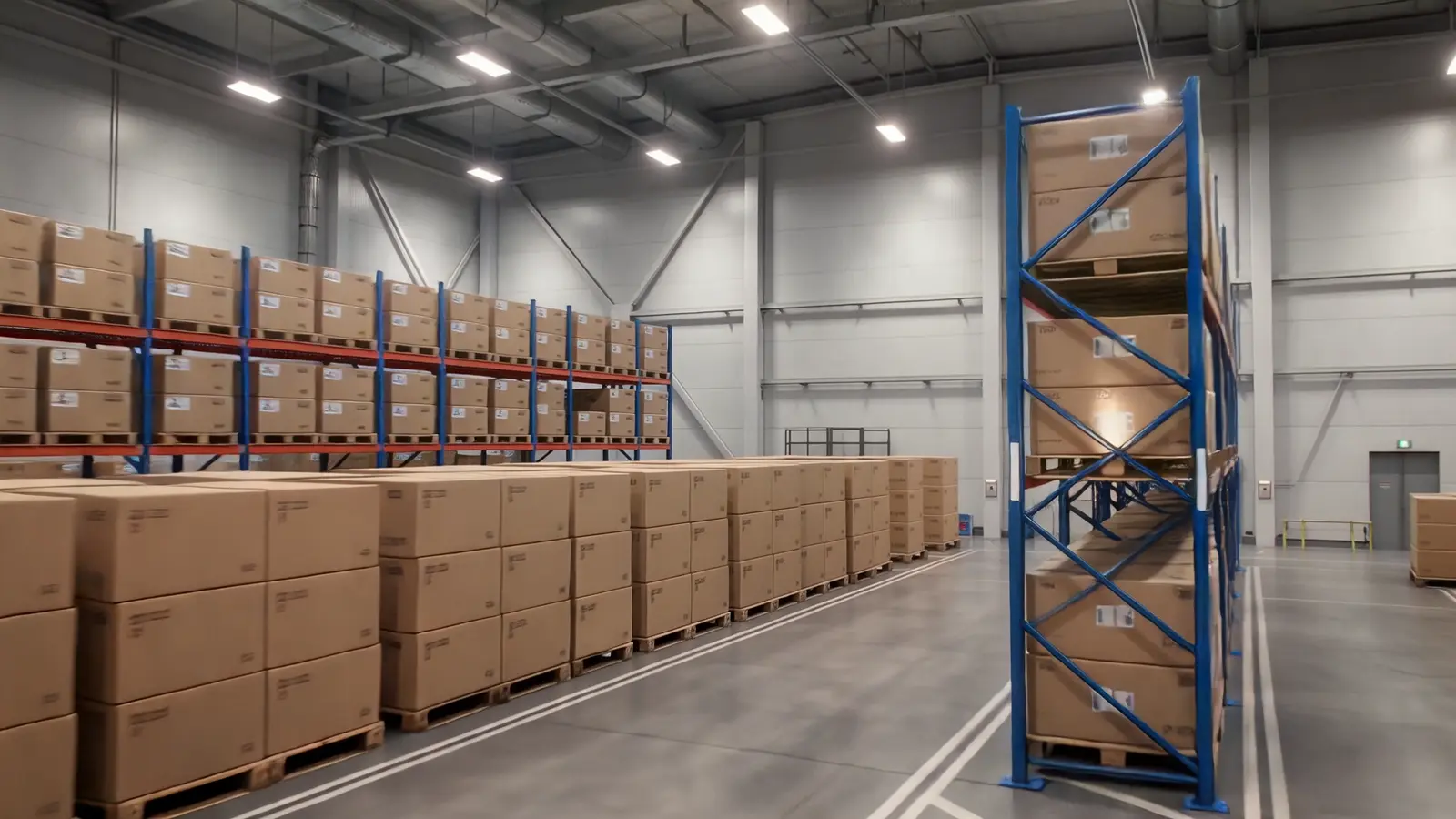
If you are wondering how to import from China for the first time, the good news is that the process is not mysterious. It is a chain of decisions: what exactly you want to buy, who will make it, how you confirm the quality, and how the goods reach you. Most problems that importers run into come from skipping one of these links, not from China itself. This guide walks through each step in order, so you can see where the real work is and where you might need help.
Step 1: Define the product before you look for suppliers
The most common mistake is to start searching for suppliers with only a photo and a rough idea. Suppliers quote what they think you asked for, and if your request is vague, you will get quotes that cannot be compared.
Before contacting anyone, write down:
- Product description: materials, dimensions, weight, colours, finish.
- Quantity: your first order and what you expect to reorder.
- Quality level: what is acceptable and what is a defect for you.
- Packaging: retail box, polybag, master carton, labelling, barcodes.
- Branding: whether you need your logo, custom printing or your own packaging.
- Target market: where the goods will be sold, because this affects labelling, certificates and compliance.
A clear specification is also the fastest way to get a useful answer when you send a product request.
Step 2: Find suppliers and understand who you are talking to
When people learn how to import from China, they often discover that “supplier” can mean very different things. You may be dealing with:
- A factory that produces the item itself.
- A trading company that buys from several factories and sells to you.
- A market stall or showroom, for example in the Yiwu International Trade City, where many small-batch and general merchandise items are sold.
- An online listing on Alibaba or 1688, which can belong to any of the above.
None of these is automatically good or bad. Factories can offer more control over production details; trading companies can be convenient when you need many different items in one order. The point is to know which one you are dealing with, because it changes how you negotiate and what you can ask for. We cover these differences in more detail in our article on how to buy wholesale from China.
Step 3: Check the supplier before you pay
Before any money changes hands, it is worth doing basic due diligence:
- Ask for the business licence and check that the company name matches the one on the invoice and the bank account.
- Ask whether they manufacture the product or source it from elsewhere.
- Request photos or videos of the production line or warehouse, not only product photos.
- Compare several quotes for the same specification, so that an unusually low price stands out.
- Where possible, arrange a visit or a factory check by someone on the ground.
This is the part of the process where having people physically in China helps the most. Our supplier and factory research work focuses on exactly this: finding candidates, comparing them and checking that they are who they say they are.
Step 4: Negotiate terms, not only the price
The unit price is just one line in the deal. Before confirming an order, agree in writing on:
- MOQ (minimum order quantity) and whether it can be lowered for a first order. If the term is new to you, read what is MOQ.
- Payment terms, for example a deposit before production and the balance after inspection.
- Production time as the supplier states it, and what happens if it changes.
- Incoterms, which define where the supplier’s responsibility ends. Common ones are EXW (you collect from the factory), FOB (the supplier delivers to the port of loading) and CIF or DDP (the seller arranges more of the transport, and with DDP, also import duties). Each one changes who pays for and manages which part of the journey.
- Packaging and labelling details from Step 1.
A short written purchase agreement or a detailed proforma invoice with these points protects both sides and reduces misunderstandings.
Step 5: Approve samples and inspect the goods
Samples
For anything beyond simple stock products, order a sample before mass production. Check it against your specification and keep it, or a photo record of it, as the reference for the main order. If you request changes, ask for a revised sample rather than assuming the changes will be made.
Inspection
Approved samples do not guarantee that thousands of units will look the same. A pre-shipment inspection, done when most of the order is finished and packed, lets you check quantity, appearance, function and packaging against your reference before you pay the balance. For larger or more complex orders, some buyers also add a check during production. Decide in advance what will happen if the inspection finds problems: rework, replacement or a price adjustment.
Step 6: Plan shipping and customs early
How the goods travel depends on volume, weight, urgency and budget. Common options include sea freight, rail, road and air freight, often with consolidation if you are combining goods from several suppliers. Each has different costs and timing, so it is better to get a logistics quote early, while you are still comparing suppliers, not after the goods are ready.
On the import side, you will typically need a commercial invoice, a packing list and transport documents, and depending on the product, certificates or other permits. The correct classification of the goods (HS code) determines the duty rate and the rules that apply.
Customs requirements differ by country. For details, contact our team in China.
Where a sourcing partner fits in
You can do all of these steps yourself, and many importers do. A sourcing partner is useful when distance, language and time make some steps hard to control. At TOPDANBAZ, our team in Yiwu helps with product search, supplier and factory research, negotiation of purchase terms, coordination of samples and inspections, and logistics coordination. You stay in charge of the decisions; we help you see what is happening on the ground. You can read how the process works step by step on our how it works page.
Summary checklist
| Step | What to have ready |
|---|---|
| 1. Product | Written specification, quantity, packaging, branding |
| 2. Suppliers | Several candidates, and clarity on factory vs trader |
| 3. Checks | Business licence, matching company details, production evidence |
| 4. Terms | MOQ, payment terms, Incoterms, packaging, all in writing |
| 5. Quality | Approved sample, pre-shipment inspection plan |
| 6. Shipping | Logistics quote, documents, HS code, local customs rules |
Learning how to import from China is mostly about doing these steps in the right order and keeping a written record at each one. If you already have a product in mind, send us a product request with as much detail as you can, and our team in China will come back to you with the next steps.