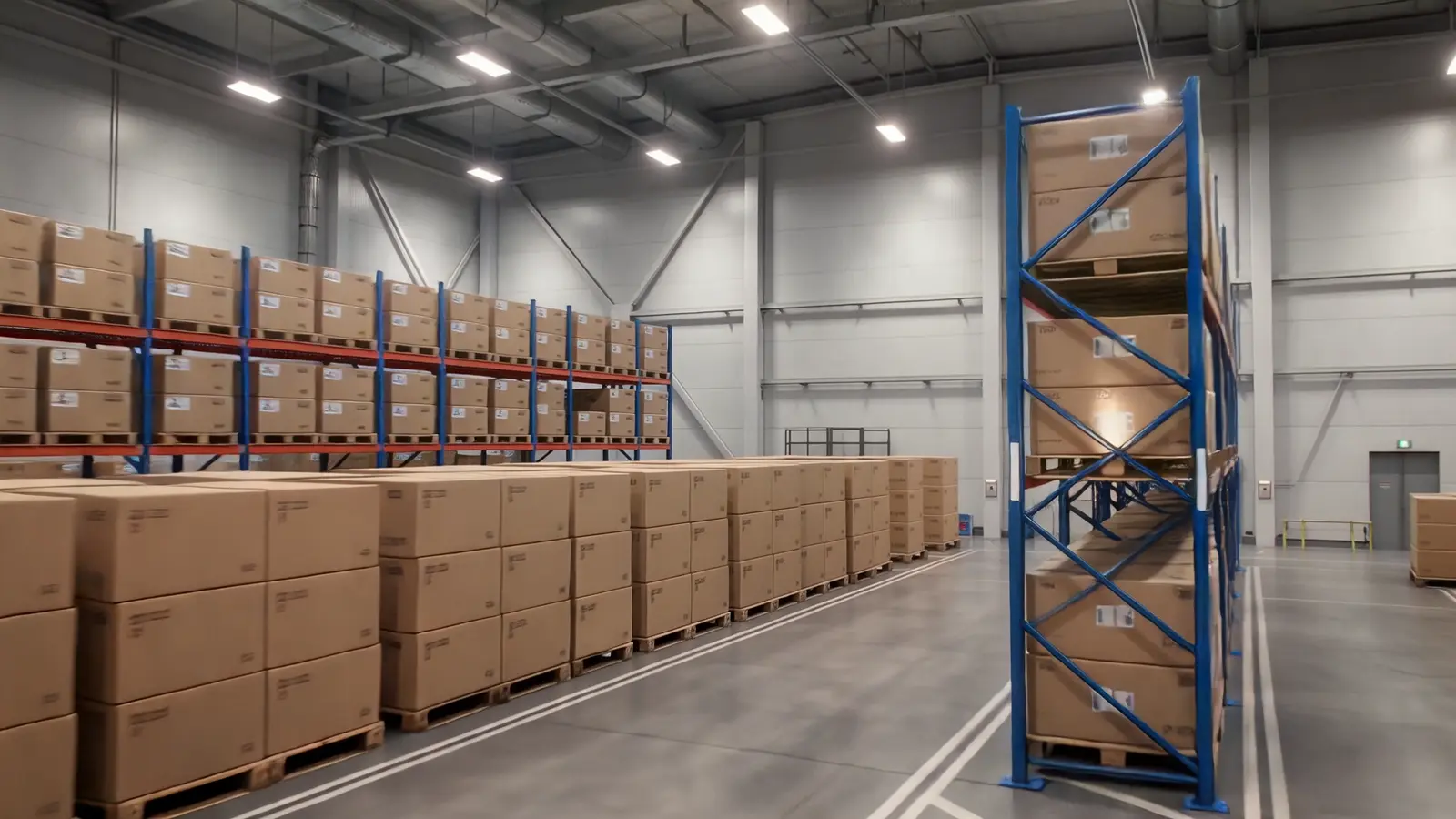
This Yiwu market guide is for buyers who want to understand how the Yiwu International Trade City works before they visit or place an order. Yiwu, in Zhejiang province, is known worldwide for small commodities: household goods, toys, stationery, accessories, gifts, packaging, festive items and much more, often under one roof. For a shop owner or a trader who needs many different products in moderate quantities, it is one of the most practical places in China to start. It can also be overwhelming. The sections below explain how the market is organised, how buying there actually works, and where a local team can make the process easier.
What the Yiwu market is (and what it is not)
The Yiwu International Trade City, often called the Futian market, is a very large wholesale complex divided into several districts. Each district groups related product categories, and inside each one there are a great many small showrooms, usually called booths or shops. Around the main complex there are also specialised streets and markets for particular goods.
A few things are worth knowing from the start:
- It is a wholesale market, not a retail one. Booths display samples. Orders are usually produced or collected from a warehouse or a factory after you confirm.
- Not every booth is a factory. Some booths belong to manufacturers, others to trading companies that represent several factories. Both can be useful, but they work differently.
- It is built for variety. Yiwu is strongest when you need many different items. For one highly customised product in large volume, going directly to a specialised factory elsewhere in China may make more sense.
How the market is organised
Because the complex is so large, planning matters more than walking around at random. Categories are generally grouped by district and by floor, so a buyer looking for toys and a buyer looking for kitchenware will spend their time in quite different parts of the market.
Plan by category, not by building
Before a visit, write down your product categories and check which districts and floors carry them. Group your list so you cover one area at a time. It saves a lot of walking and helps you compare similar booths side by side.
Use the booth details
Each booth has a number and usually a business card with the company name, contact person and phone or messaging details. Collect cards, take photos of the products you are interested in, and write the booth number and the price you were quoted on each photo. After a full day, it is very easy to forget which item came from where.
How buying at Yiwu works in practice
Buying at the market follows a fairly consistent pattern.
- You see a sample in the booth and ask about price, MOQ and available colours or sizes.
- The supplier quotes a unit price that usually depends on quantity, packaging and whether you need any changes.
- You confirm the order with a written order or receipt listing the item, quantity, price, packing details and delivery date.
- A deposit is usually paid to start the order, with the balance paid before or on delivery.
- The goods are delivered to a warehouse or consolidation point, where they can be checked and combined with goods from other suppliers before shipping.
MOQ at the market
Minimum order quantities at Yiwu are often lower than at factories that specialise in one product, which is part of the market’s appeal. They still vary a lot between booths and between products, and a minimum may apply per item, per colour or per carton. Our article what is MOQ explains where these minimums come from and how to discuss them.
Prices and negotiation
The first price is a starting point. It usually depends on quantity, packaging, payment terms and whether the item is in stock or needs to be produced. Compare several booths for the same item before deciding, and make sure you are comparing the same specification: material, size, finish and packing.
Practical tips for your first visit
- Bring a written list of products, target quantities and the packaging you need.
- Photograph everything together with the booth card, and note the price and MOQ on each photo.
- Ask whether the booth produces the item or sources it, and where the goods will ship from.
- Ask for samples of items you are serious about, and keep them as a reference for the order.
- Get the order in writing, including packing details, labels and delivery date.
- Plan consolidation early if you are buying from many booths, because the goods need to be collected, checked and packed together.
Many buyers combine a market visit with a few factory visits outside the market for products where they need more control over quality or customisation. If that is your plan, our guide on how to find a manufacturer in China covers the factory side.
Where a Yiwu sourcing agent helps
You can buy at Yiwu on your own, and many buyers do. A Yiwu sourcing agent is useful when you cannot be there for every step, or when you are buying from many suppliers at once. A good Yiwu agent typically helps with:
- Product search across booths and factories, so you see several options for the same item.
- Supplier research, including whether a booth is a manufacturer or a trader.
- Order follow-up, checking that suppliers deliver what was agreed and on the agreed date.
- Receiving and checking goods at the warehouse before they are packed for export.
- Consolidation and logistics coordination, combining goods from different suppliers into one shipment.
At TOPDANBAZ, our team is based in Yiwu. We help buyers with product search, supplier and factory research, negotiation of purchase terms, quality checks and logistics coordination. We are not a marketplace and do not sell our own stock; we work on the products you need. You can read how the process works on our how it works page.
What to check before goods leave Yiwu
Before goods are shipped, check them against your order: quantity, appearance, function, labelling and carton marks. When goods come from many suppliers, a check at the consolidation warehouse is often the only point where everything can be seen together. Our article on pre-shipment inspection in China explains what such a check usually covers.
Shipping and import documents also need to match the goods. Customs requirements differ by country. For details, contact our team in China.
If this is your first wholesale order, our checklist on wholesale products from China helps you prepare before you start talking to suppliers.
FAQ
Do I need to visit Yiwu in person to buy there?
No. Many buyers order from Yiwu suppliers without visiting, using photos, videos and samples. A local team can visit booths, collect samples and follow up orders on your behalf.
Can I buy small quantities at the Yiwu market?
Often you can buy smaller quantities than at a specialised factory, but each booth sets its own minimum. It may apply per item, per colour or per carton, so always confirm it in writing.
Are Yiwu market suppliers factories?
Some are, many are trading companies representing several factories. Both can be good partners. Ask directly, and check the business licence and production evidence when it matters for your order.
What is the difference between a Yiwu agent and a freight forwarder?
A freight forwarder moves goods. A Yiwu agent or sourcing partner works earlier in the chain: finding products, checking suppliers, following up orders and checking goods, and then coordinating with logistics providers.
If you already have a list of products you want from Yiwu, send us a product request and our team will come back to you with the next steps.