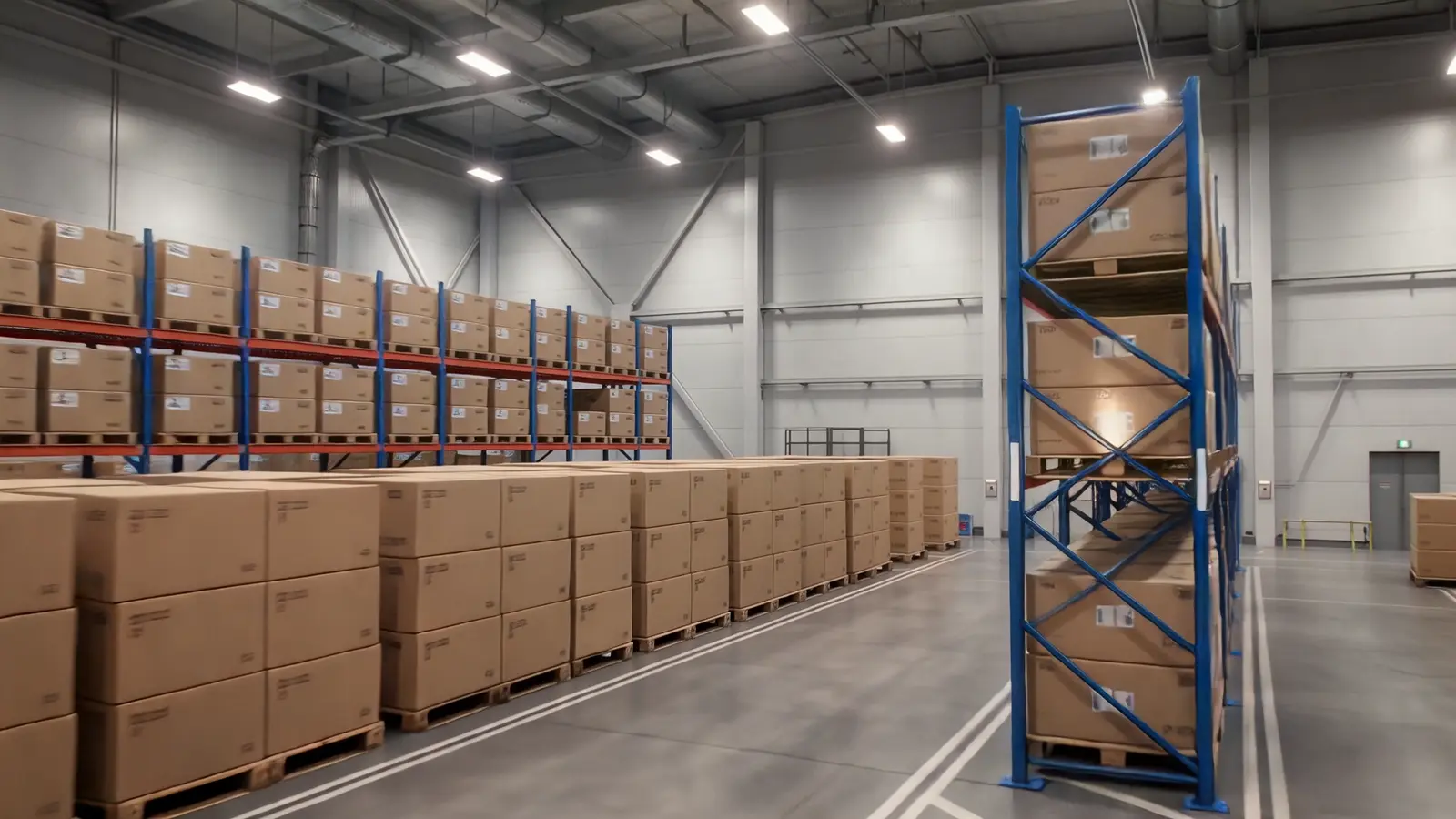
If you want to order samples from China before placing a bulk order, you are already doing one of the most useful things a buyer can do. A sample shows you what the supplier actually makes, not what the photos suggest. It becomes the reference for quality, the basis for any changes and, later, the standard against which the finished order is inspected. This guide explains the different types of samples, how to request and pay for them, how to ship them, and how to judge them properly.
Why samples matter
Product photos and descriptions can be accurate, but they rarely tell you everything: the weight and feel of the material, the quality of the stitching or finish, how parts fit together, how the packaging looks in reality. A sample answers these questions before you commit a larger amount of money.
Samples also protect you later. When an approved sample exists, you and the supplier share a physical reference for what “correct” means. Without it, disagreements about quality are much harder to settle.
Types of samples
Not every sample is the same. It helps to know which one you are asking for.
Stock samples
An existing product taken from the supplier’s stock or showroom. Fast and simple, useful for checking general quality and whether the product is right for you.
Customised or pre-production samples
Made to your specification, for example with your colours, logo, packaging or a changed material. These take longer and may cost more, because they require setup work. For custom products, this is the sample that really matters.
Production samples
Taken from the actual production run, before or during the main order. They show whether mass production matches the approved sample.
Comparison samples from several suppliers
Ordering similar samples from two or three suppliers at the same time lets you compare quality and price side by side. It is often the quickest way to choose a supplier.
How to request samples
When you contact suppliers, make the request specific:
- Which product and which version: model, colour, size, material.
- Stock or custom: say clearly whether you need the standard item or a sample made to your specification.
- Packaging: whether the sample should come in the same packaging as the bulk order.
- Quantity: one unit is often enough; for products with variants, you may want one per variant.
- Your specification: attach the details you would use for the main order.
Ask the supplier to confirm in writing what the sample will be, the sample cost, any refund policy on the sample cost when you order in bulk, and when the sample will be ready.
Paying for and shipping samples
Paying for samples
Suppliers handle sample costs differently. Some provide stock samples free but ask you to pay shipping; others charge for the sample and refund it against a later order; custom samples often have a fee to cover setup work. All of these are normal.
A few practical points:
- Pay the company account shown on the business licence, not a personal account, unless you have a good reason to trust the arrangement.
- Keep the written confirmation of what you paid for.
- Treat an unusually high sample fee or a refusal to provide any sample as something to discuss before going further.
If you are still checking whether a supplier is genuine, our article on China supplier verification lists what to look at.
Shipping samples
Samples are usually sent by express courier, which is fast but relatively expensive for heavy items. If you are collecting samples from several suppliers, consider having them delivered to one address in China first and sent to you together. This saves on shipping and lets someone check and photograph them before they leave.
Sample shipments still go through customs in your country, and some products need documents or have restrictions, for example batteries, liquids and cosmetics. Customs requirements differ by country. For details, contact our team in China.
For more on transport options, see our guide on shipping from China.
How to evaluate a sample
When the sample arrives, check it against your specification rather than only your first impression.
- Appearance: colour, finish, logo, print quality, visible defects.
- Materials: do they match what was quoted? Check labels, weight and feel.
- Measurements: size and weight compared with the specification.
- Function: use the product as your customer would. Does it work, assemble, close, charge?
- Packaging: retail packaging, inserts, instructions, labels and barcodes.
- Durability: for some products, simple use over a few days reveals weak points.
- Compliance: if your market requires tests or certificates, check what the supplier can provide.
Take photos and write notes. If you compare several suppliers, use the same checklist for each sample.
Common sample mistakes
- Judging only by first impression. A product that looks good in the hand may still use a different material from the one quoted.
- Approving a sample that is “nearly right”. If something needs to change, ask for a revised sample. Small differences tend to grow in mass production.
- Losing track of which sample is which. Label each sample with the supplier name, date and quoted price as soon as it arrives.
- Testing only one unit of a complex product. For products with several parts or variants, check each variant you plan to order.
Approving a sample and moving to production
When a sample is right, approve it clearly in writing and keep it, or a set of detailed photos, as the reference for the order. If you need changes, list them precisely and ask for a revised sample instead of assuming the changes will appear in mass production.
Many buyers keep two approved samples: one with the buyer and one with the supplier, both marked with the date and order reference. The approved sample is then used during pre-shipment inspection in China to check the finished goods.
How TOPDANBAZ helps with samples
Our team in Yiwu coordinates samples on your behalf: requesting them from several suppliers, collecting them in one place, checking and photographing them, and sending them to you together. When you approve a sample, we use it as the reference for product and quality inspection before shipment. If you also need help finding suppliers, see our product search service and our how it works page.
FAQ
Are samples from China free?
Sometimes. Some suppliers offer free stock samples and charge only shipping; others charge for samples, especially custom ones. Policies vary, so ask in advance.
How many suppliers should I request samples from?
Comparing a few suppliers is usually more useful than relying on one. The right number depends on your product and budget.
What if the bulk order does not match the sample?
This is why the approved sample should be the reference in your agreement and in the inspection. Differences found before shipment can be discussed while you still have options.
Can I get a sample with my logo?
Often yes, as a custom sample. It usually costs more and takes longer than a stock sample.
If you want samples collected and checked in China, send us a product request and our team will come back to you.